
Tel/WA:
Tel/WA:

PV Energy Storage Technology for Bitcoin Mining Machines Abroad
Bitcoin mining is an energy-intensive process that relies on continuous and stable power supply to maintain efficient operation of mining machines. With the global emphasis on carbon neutrality and the rising cost of traditional fossil energy, photovoltaic (PV) energy storage technology has emerged as a sustainable solution for overseas Bitcoin mining operations. By integrating PV power generation with energy storage systems, mining enterprises can reduce reliance on grid power, lower energy costs, and mitigate the environmental impact of high energy consumption. This article explores the application, technical characteristics, typical cases, and development challenges of PV energy storage technology in foreign Bitcoin mining machines.
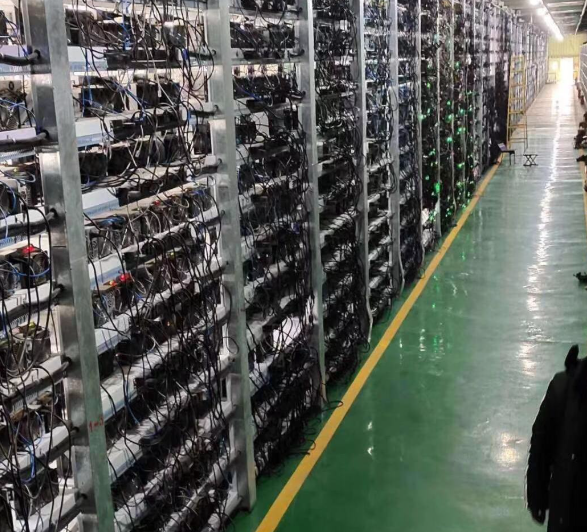
The core logic of applying PV energy storage technology to Bitcoin mining machines lies in matching the intermittent nature of solar energy with the continuous power demand of mining operations. Bitcoin mining requires 24/7 operation, while PV power generation is limited by sunlight conditions—generating power only during daylight hours and fluctuating with weather changes. Energy storage systems, usually composed of lithium-ion batteries or other energy storage technologies, solve this mismatch by storing surplus PV power during the day and releasing it during nighttime or low-irradiation periods, ensuring a stable and uninterrupted power supply for mining machines.
Overseas Bitcoin mining projects using PV energy storage technology mainly adopt two technical models: off-grid and grid-connected. The off-grid model is widely used in remote areas with abundant solar resources but underdeveloped power grids, such as parts of the western United States, Australia, and Africa. In this model, PV arrays generate electricity, which is stored in energy storage systems after being converted by inverters; the storage system then directly supplies power to mining machines, completely independent of the public grid. This model not only avoids the high cost of grid connection but also makes full use of local renewable energy resources.
The grid-connected model, by contrast, is suitable for areas with relatively mature power grids, such as parts of Europe and North America. Mining machines are mainly powered by the grid, while PV energy storage systems serve as a supplementary power source—supplying power during peak grid electricity prices to reduce energy costs, and storing surplus PV power or grid power during off-peak hours for use when needed. Some advanced projects also realize "peak-valley arbitrage" through grid connection, further improving the economic benefits of mining operations.
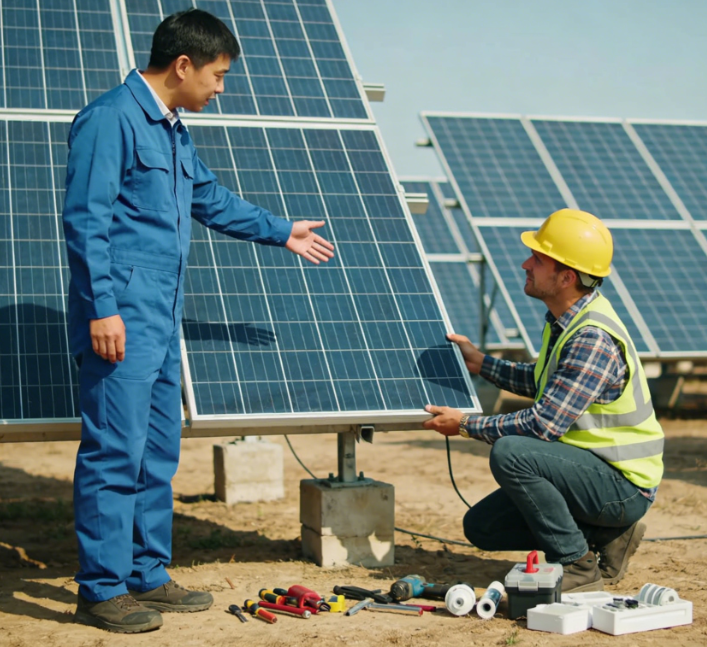
Key technical components of the PV energy storage system for Bitcoin mining machines include PV modules, inverters, energy storage batteries, and energy management systems (EMS). PV modules are responsible for converting solar energy into electrical energy; high-efficiency monocrystalline silicon modules are the mainstream choice for overseas projects, with conversion efficiency reaching 23-25%, ensuring maximum power generation under limited land conditions. Inverters play a critical role in converting DC power generated by PV modules and stored in batteries into AC power suitable for mining machines, while also realizing power regulation and grid connection control.
Energy storage batteries are the core of the system, determining the stability and continuity of power supply. Lithium iron phosphate batteries are widely used in overseas mining projects due to their high safety, long cycle life (over 6,000 cycles), and good high-temperature performance. Some large-scale projects also adopt vanadium redox flow batteries for long-duration energy storage, which can provide stable power supply for mining machines for more than 8 hours, meeting the demand for continuous operation. The EMS is responsible for monitoring, controlling, and optimizing the entire system, adjusting the power distribution between PV generation, energy storage, and mining machines in real time to maximize energy utilization efficiency.
Overseas countries have formed a number of typical application cases, demonstrating the feasibility and value of PV energy storage technology in Bitcoin mining. In the United States, especially in Texas and the western states with abundant solar resources, many mining enterprises have built large-scale PV energy storage mining bases. For example, some projects integrate PV arrays with energy storage systems to absorb 19% of the country’s curtailed electricity for mining, reducing carbon emissions by 1.3 million tons annually. Additionally, some American entrepreneurs have combined mining machines with PV energy storage systems to reuse mining waste heat for community heating, forming a "power generation-mining-heating" integrated model.
In Australia, where solar resources are among the richest in the world, off-grid PV energy storage mining projects are widely distributed. Mining enterprises deploy mobile container-type mining servers, which are powered by nearby PV energy storage systems, making full use of surplus solar energy that would otherwise be wasted. This model not only reduces energy costs but also avoids the impact of unstable grid power on mining efficiency. In Europe, some countries with strict environmental protection requirements, such as Germany and the Netherlands, have promoted the application of PV energy storage in Bitcoin mining, requiring mining enterprises to use renewable energy accounting for more than a certain proportion, which has further driven the development of related technologies.
Despite the significant advantages, PV energy storage technology for foreign Bitcoin mining machines still faces several challenges. First, the high upfront investment is a major barrier. The cost of PV energy storage systems is relatively high, especially for large-scale mining projects, and the investment payback period is usually 3-5 years, which discourages some small and medium-sized mining enterprises. Second, technical bottlenecks exist in long-duration energy storage. Most current projects use short-duration energy storage batteries (2-4 hours), which are difficult to meet the 24/7 continuous power demand of mining machines in areas with insufficient sunlight, requiring additional backup power sources.
Third, policy and regulatory uncertainties affect the development of the industry. Some countries have not yet formulated clear policies for Bitcoin mining and renewable energy integration, and even restrict Bitcoin mining due to concerns about energy consumption, which brings risks to the promotion of PV energy storage mining projects. For example, Malaysia has cracked down on illegal Bitcoin mining due to massive power theft, while Russia uses AI technology to combat illegal mining activities that disrupt the power grid. In addition, the fluctuation of Bitcoin prices also affects the investment enthusiasm of mining enterprises, indirectly affecting the promotion of PV energy storage technology.
Looking ahead, with the continuous decline in PV and energy storage costs, and the gradual improvement of relevant policies, PV energy storage technology will have broader application prospects in foreign Bitcoin mining. Technological innovations such as high-efficiency PV modules, long-duration energy storage batteries, and intelligent EMS will further improve the stability and economic benefits of the system. At the same time, the combination of PV energy storage with other renewable energy sources (such as wind energy) and the exploration of new business models (such as surplus power grid connection and carbon trading) will help mining enterprises achieve low-carbon and sustainable development.
In conclusion, PV energy storage technology provides a sustainable solution for overseas Bitcoin mining, balancing the high energy demand of mining machines with environmental protection and cost reduction. Through continuous technological innovation and policy support, it will gradually become the mainstream energy supply model for foreign Bitcoin mining, promoting the transformation of the mining industry towards green and low-carbon development while making full use of renewable energy resources.
HONZEN TECH

WeChat QR code
WeChat ID:15366425298